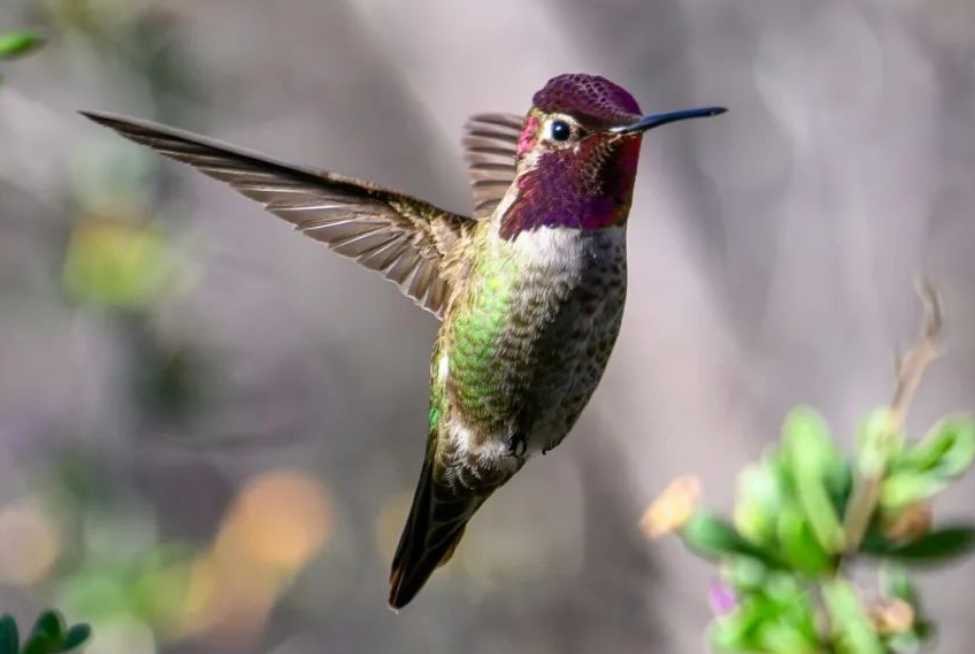
The Dazzling Anna's Hummingbird: A Tiny Marvel of the AmericasThe Dazzling Anna's Hummingbird: A Tiny Marvel of the Americas
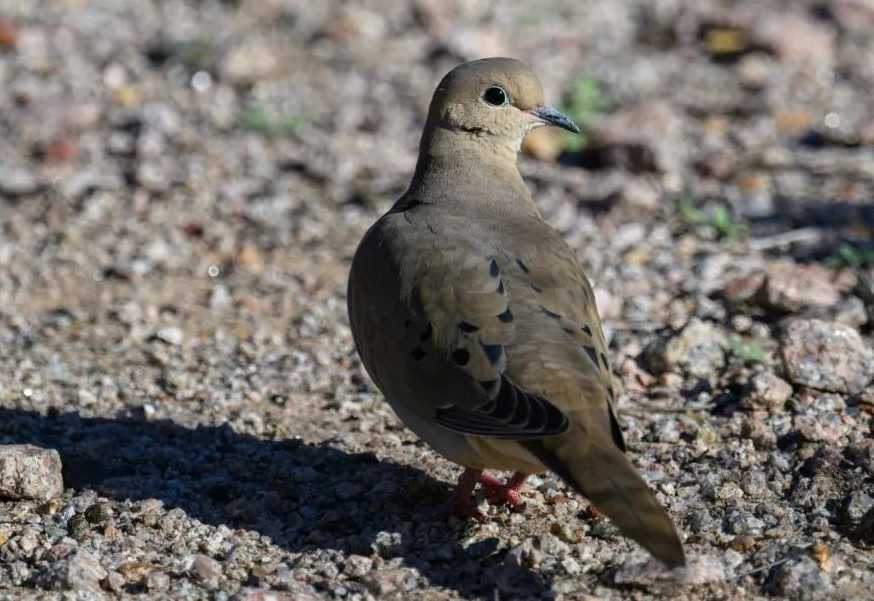
The Graceful Mourning Dove: A Common Sight in the AmericasThe Graceful Mourning Dove: A Common Sight in the Americas
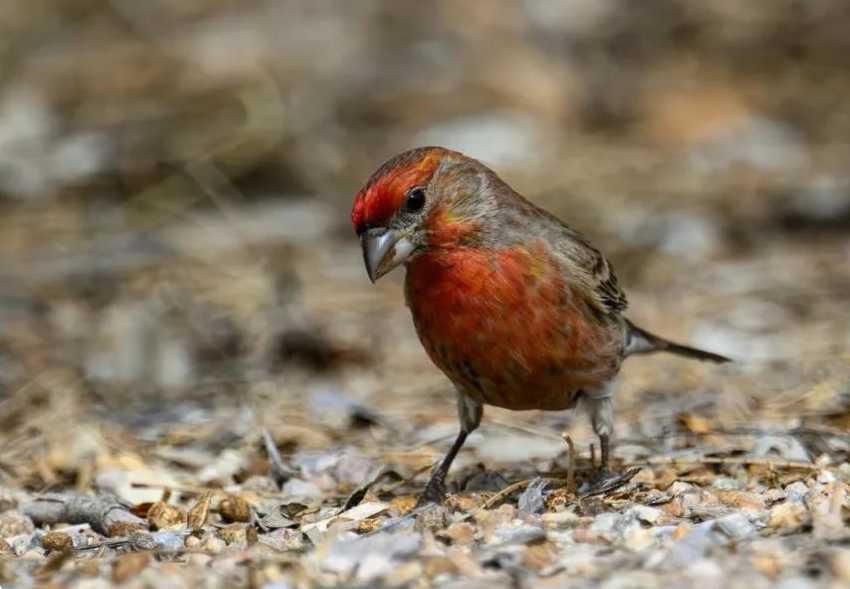
The Vivid House Finch: A Colorful Avian Gem of North AmericaThe Vivid House Finch: A Colorful Avian Gem of North America
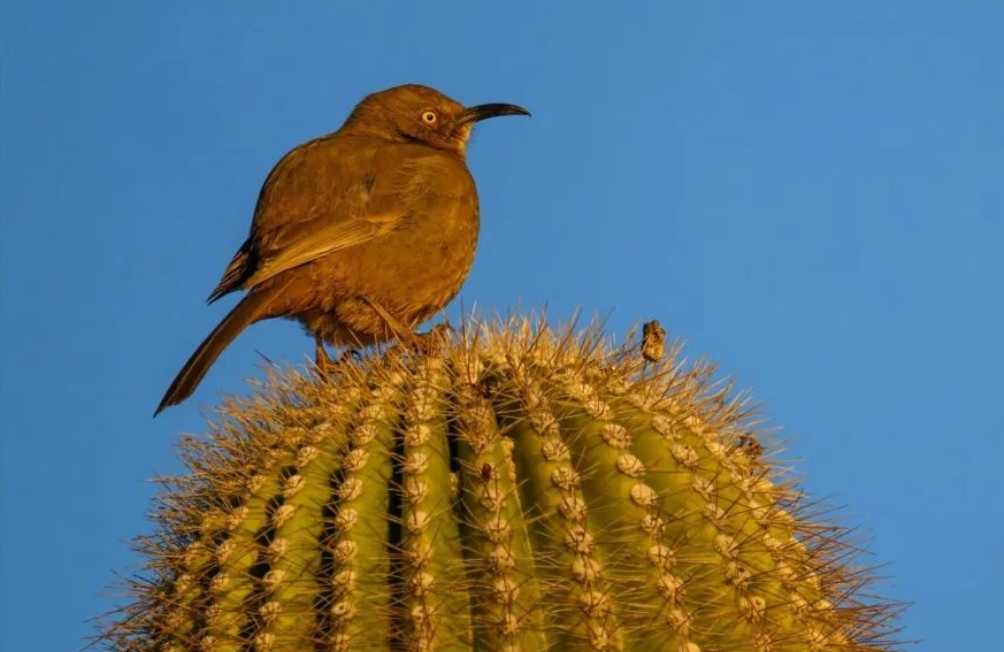
The Adaptable Curve - Billed Thrasher: A Sonorous Songster of the SouthwestThe Adaptable Curve - Billed Thrasher: A Sonorous Songster of the Southwest
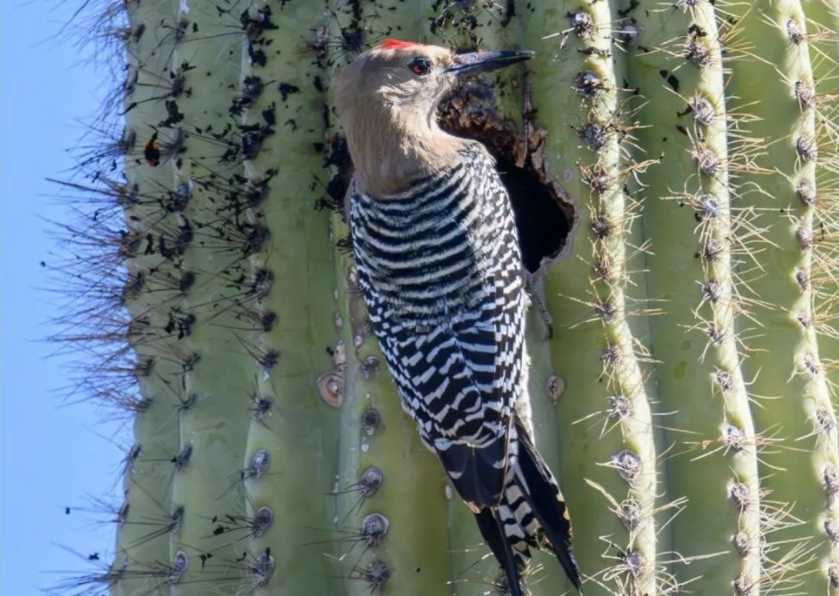
Gila Woodpecker: The Desert's Masterful CraftsmanGila Woodpecker: The Desert's Masterful CraftsmanThe Gila woodpecker, Melanerpes uropygialis, is a remarkable avian species well - adapted to the arid landscapes of the southwestern United States and northwestern Mexico. Sporting a distinctive black - and - white checkered back, a red patch on the male's crown, and a sturdy, chisel - like bill, this woodpecker stands out as a true icon of the desert ecosystem.
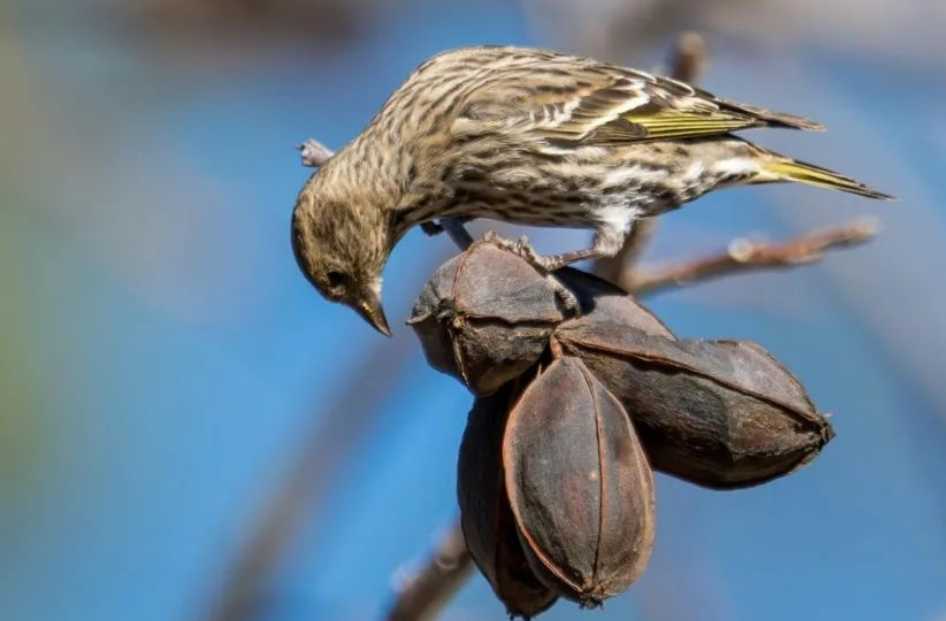
Pine Siskin: A Tiny Dynamo of the Forest CanopyPine Siskin: A Tiny Dynamo of the Forest CanopyThe pine siskin, Spinus pinus, is a small, energetic finch known for its striking plumage and lively demeanor. With a brown - streaked body accented by bright yellow wing bars, these birds add a splash of color to the coniferous forests and open woodlands they inhabit across North America. Their small, pointed bills are perfectly adapted for extracting seeds from cones.
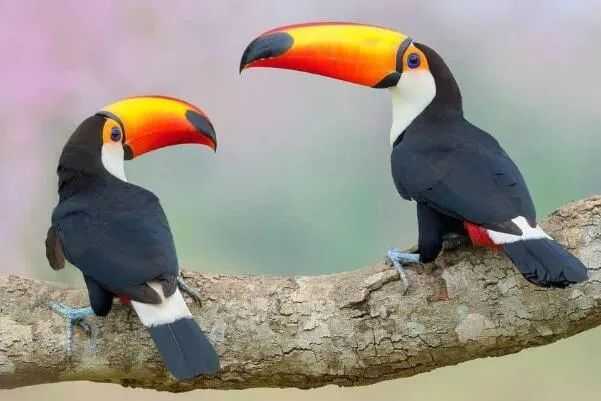
Ramphastos toco: The Largest Toucan of South American SavannahsRamphastos toco: The Largest Toucan of South American SavannahsRamphastos toco, commonly known as the toco toucan, reigns as the largest species within the toucan family, captivating observers with its remarkable size and distinct features. Endemic to the tropical savannahs of South America, this avian wonder showcases a unique blend of elegance and functionality, making it a symbol of the region's rich biodiversity.
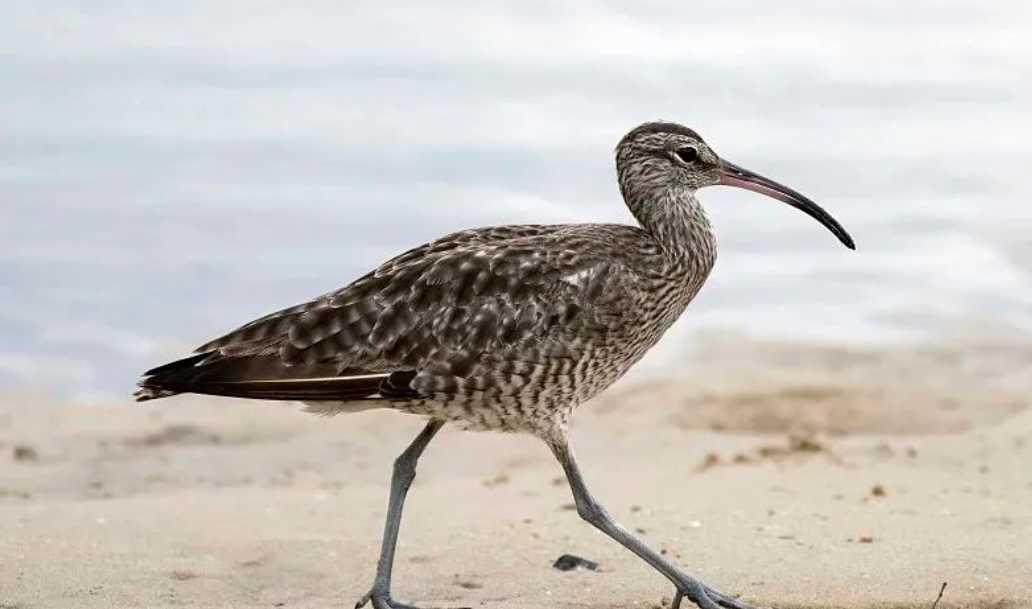
Numenius madagascariensis: The Migratory Giant of East Asian and Australian WetlandsNumenius madagascariensis: The Migratory Giant of East Asian and Australian WetlandsNumenius madagascariensis, commonly known as the Far Eastern curlew, stands as one of the largest migratory wading birds, undertaking epic journeys between East Asia and Australia. Renowned for its extensive migrations and distinctive appearance, this avian species plays a crucial ecological role in the diverse wetlands and coastal ecosystems it traverses.
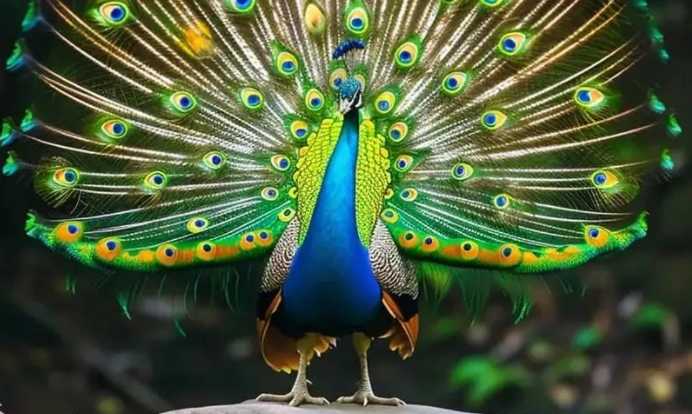
The Peacock: Nature’s Ornate 'King of Birds' and Symbol of SplendorThe Peacock: Nature’s Ornate 'King of Birds' and Symbol of SplendorHailed as the "King of Birds" (outshining the mythical phoenix in real-world grandeur), the peacock captivates with its resplendent plumage, long revered as a symbol of good fortune and nobility. A member of the pheasant family, this majestic bird comprises two species: the blue peacock native to South Asia—India’s national bird—and the green peacock, a critically endangered resident of Southeast Asia and China’s Yunnan province, protected as a national first-class animal.
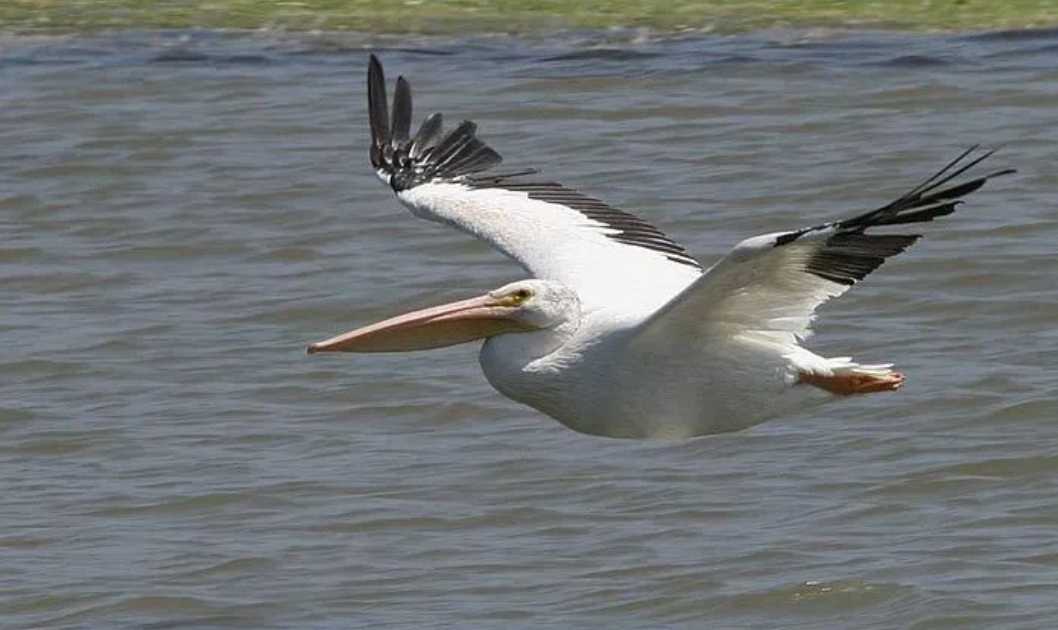
Pelecanus erythrorhynchos: The Majestic American White Pelican of North AmericaPelecanus erythrorhynchos: The Majestic American White Pelican of North AmericaThe American white pelican (Pelecanus erythrorhynchos) stands as one of North America’s most iconic large waterbirds, celebrated for its striking appearance and impressive aerial prowess. With its snowy plumage and imposing size, this species is a familiar sight in the continent’s freshwater lakes, rivers, and coastal estuaries, where it plays a vital role in aquatic ecosystems.
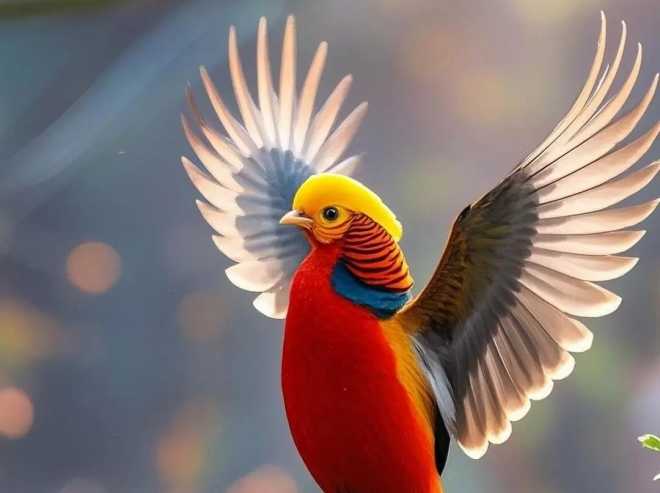
The Golden Pheasant: China’s Living Phoenix and Avian Emblem of RoyaltyThe Golden Pheasant: China’s Living Phoenix and Avian Emblem of RoyaltyScientifically named Chrysolophus pictus, this iconic pheasant is endemic to China’s central and western mountain ranges, measuring 80 cm in length and feeding on plant seeds and insects. A national second-class protected animal, it’s long been hailed as the real-world inspiration for the mythical phoenix—an association that elevated it to imperial status in ancient China.
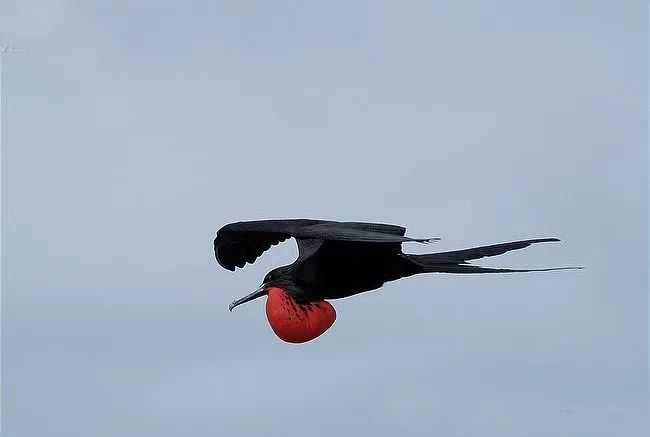
The Frigatebird: Tropical Oceans’ Aerial Pirates and Sleep-in-Flight SpecialistsThe Frigatebird: Tropical Oceans’ Aerial Pirates and Sleep-in-Flight SpecialistsLiving primarily in tropical oceans, frigatebirds boast wingspans exceeding 2 meters, with males sporting a distinctive red throat pouch that inflates like a scarlet balloon during courtship. These avian marvels are renowned for their ability to fly continuously for two months without touching water—even sleeping mid-air.
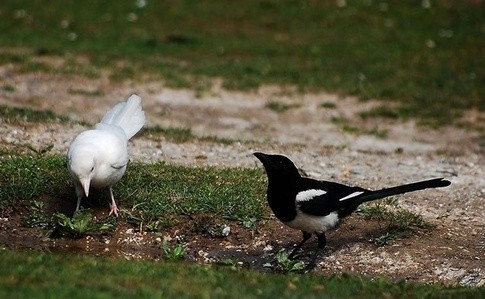
The Albino Magpie: A Rare Feathered Anomaly in the Avian WorldThe Albino Magpie: A Rare Feathered Anomaly in the Avian WorldAlbino magpies, though occasionally spotted in urban and rural areas worldwide, are genetic oddities that stand out starkly from their black-and-white counterparts. Caused by a recessive gene mutation that inhibits melanin production, these birds exhibit pure white plumage, pinkish legs, and striking red or pale blue eyes—a result of blood vessels reflecting through unpigmented tissues. Unlike leucistic magpies (which have partial color loss), albinos lack all pigmentation, making them a rare sight in the wild.
Aquatic Birds: Masters of the Open WaterAquatic Birds: Masters of the Open WaterAquatic birds, or waterfowl, have evolved to thrive in expansive water bodies such as reservoirs, rivers, and lakes. These avian species have adapted unique physical features and feeding strategies, enabling them to exploit the rich resources of their aquatic habitats.
Wading Birds: Elegant Residents of Shallow Water HabitatsWading Birds: Elegant Residents of Shallow Water HabitatsWading birds, a diverse group of avian species, have evolved to thrive in the unique ecosystems of shallow water environments, including mudflats, marshes, ponds, and irrigation canals. These habitats serve as rich feeding grounds, supporting a diet centered on crabs, shellfish, worms, and other benthic organisms that dwell in the nutrient-rich sediments.
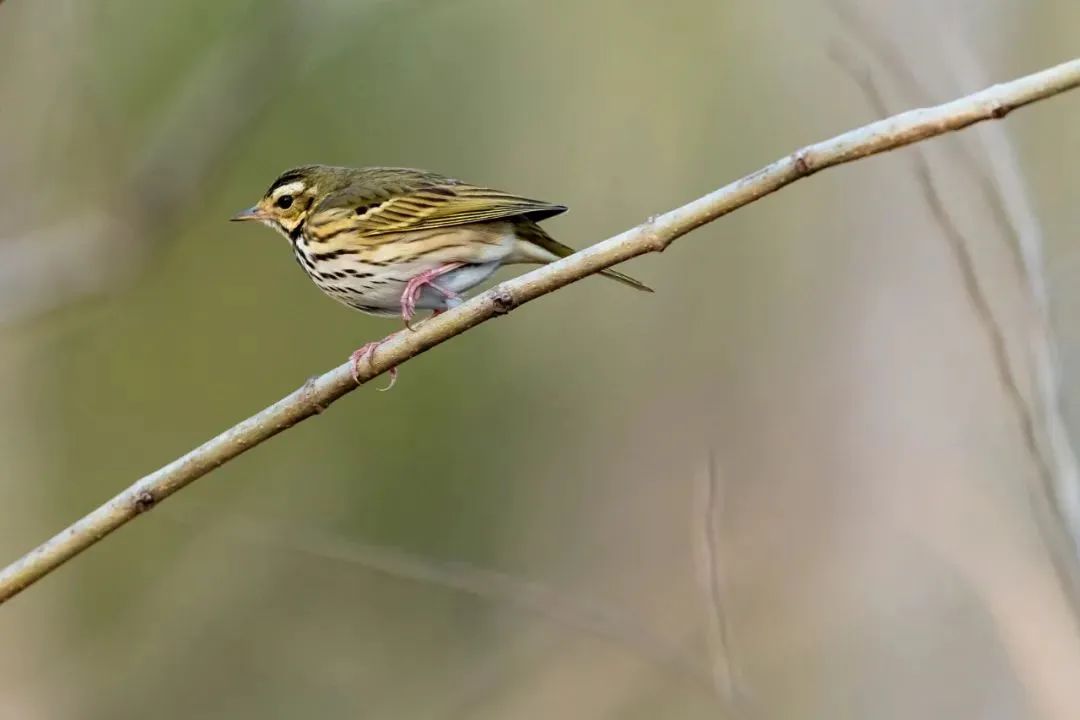
Songbirds: Versatile Inhabitants of Diverse LandscapesSongbirds: Versatile Inhabitants of Diverse LandscapesSongbirds, the largest and most diverse group of birds, have adapted to thrive in a wide array of environments, from wooded forests and bustling villages to sprawling farmlands. Renowned for their melodious calls, these avian creatures showcase remarkable versatility in diet and habitat, making them a common yet captivating presence across the globe.
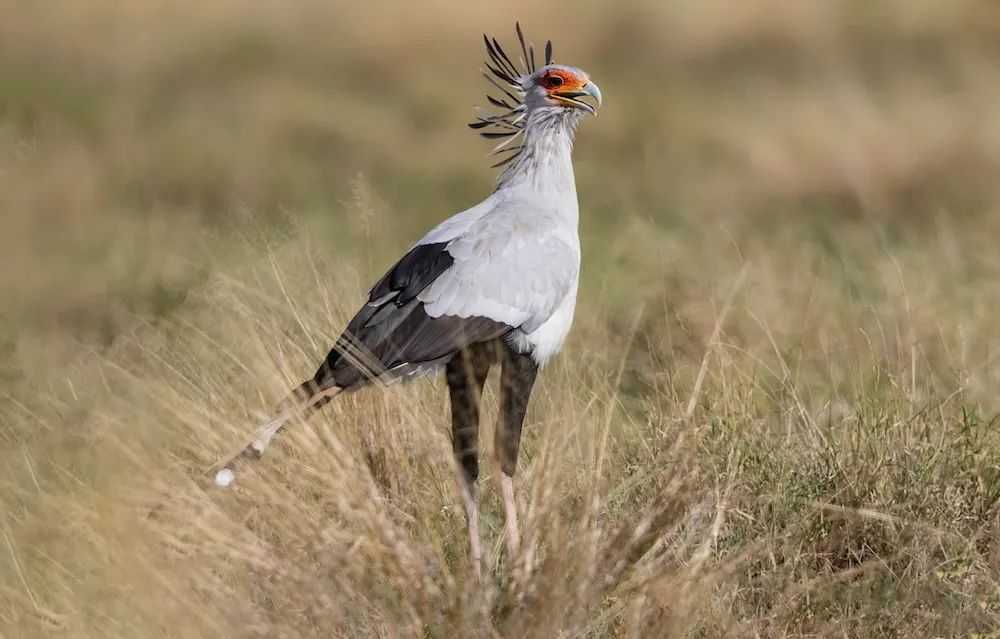
Secretarybird: The Long-Legged Titan of East African GrasslandsSecretarybird: The Long-Legged Titan of East African GrasslandsStanding tall amidst the vast savannas of East Africa, the secretarybird commands attention with its striking appearance and formidable hunting prowess. This unique avian predator, characterized by its long legs, powerful talons, and distinctive crest of feathers, reigns as one of the most iconic and specialized inhabitants of the grasslands.
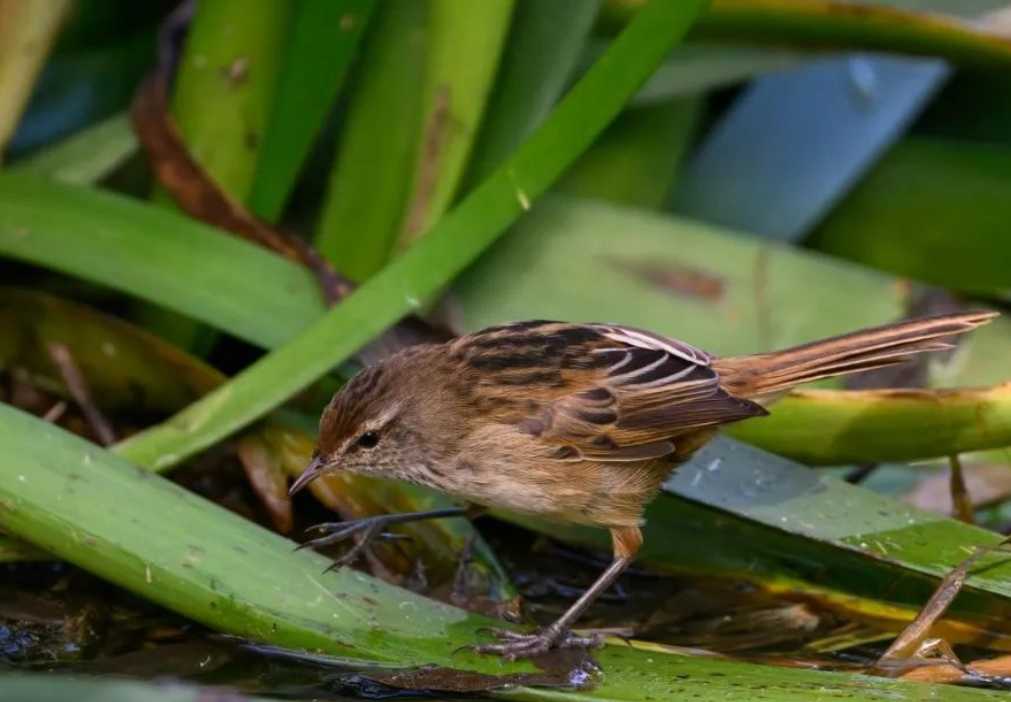
The Elusive Pygmy Grassbird: A Tiny Wonder of Wetland EcosystemsThe Elusive Pygmy Grassbird: A Tiny Wonder of Wetland EcosystemsThe Pygmy Grassbird (Graminicola griseus), a small yet intriguing avian species, has long captivated ornithologists with its secretive nature and unique adaptations to wetland habitats. Found in the dense reed beds and marshy areas of Southeast Asia and parts of South Asia, this diminutive bird is a master of camouflage, making it a challenging yet rewarding sighting for birdwatchers.
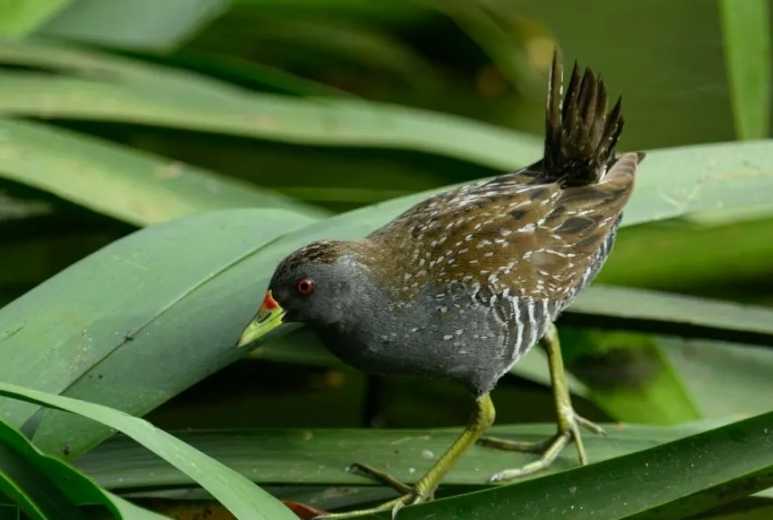
The Elusive Banded Rail: A Hidden Gem of Wetland EcosystemsThe Elusive Banded Rail: A Hidden Gem of Wetland EcosystemsThe Banded Rail (Gallirallus philippensis), a cryptic and fascinating bird, inhabits the lush wetlands, marshes, and rice paddies of Southeast Asia, Australia, and the Pacific Islands. Though rarely seen due to its secretive nature, this species plays a vital role in wetland ecology, captivating researchers and birdwatchers with its unique adaptations and elusive behavior.
The Graceful Mute Swan: A Majestic Presence in Wetland SkiesThe Graceful Mute Swan: A Majestic Presence in Wetland SkiesThe Mute Swan (Cygnus olor), an emblem of elegance and tranquility, graces the waterways of the world with its stunning appearance and regal demeanor. This large, white swan is a familiar sight in many regions, captivating onlookers with its slow, deliberate movements and the gentle curve of its long neck.