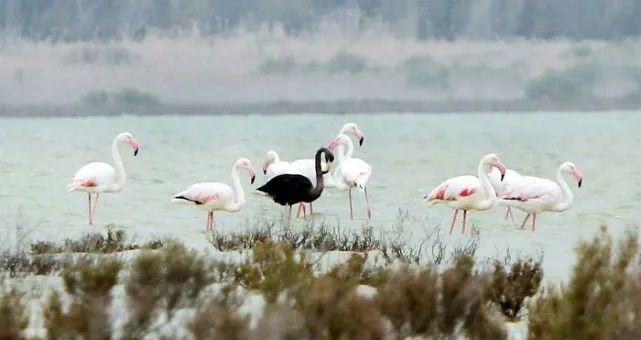
Black Flamingo Spotted in Cyprus: A Rare Ornithological SightingBlack Flamingo Spotted in Cyprus: A Rare Ornithological Sighting
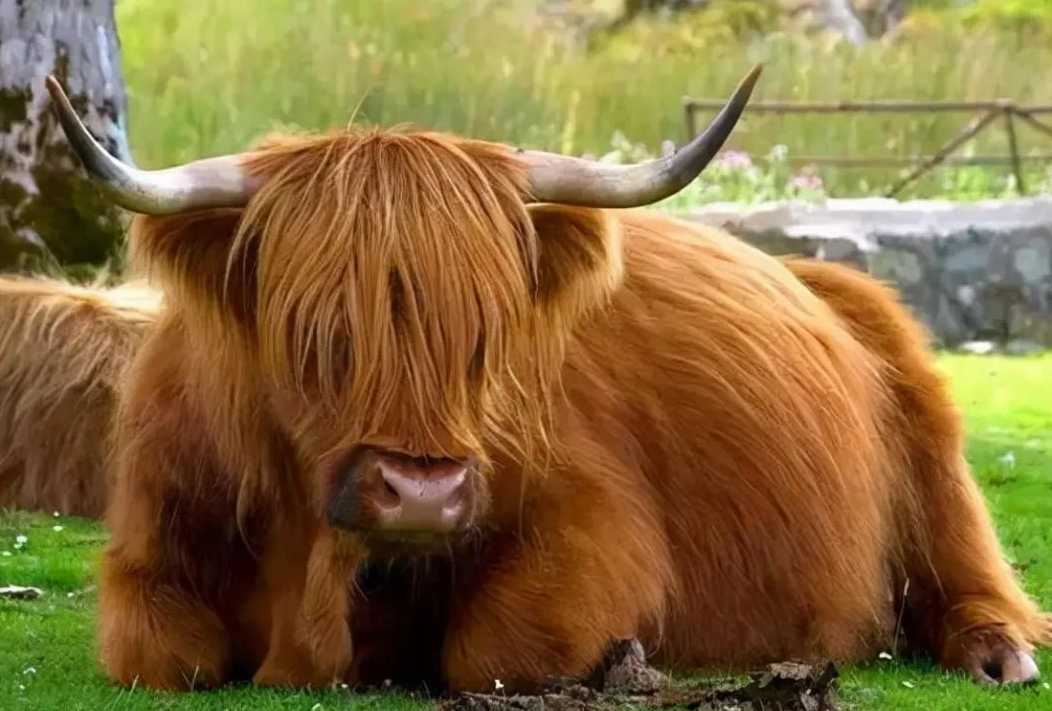
Miniature Highland Cattle: The Trendy Bovines with Eye - Grazing BangsMiniature Highland Cattle: The Trendy Bovines with Eye - Grazing Bangs
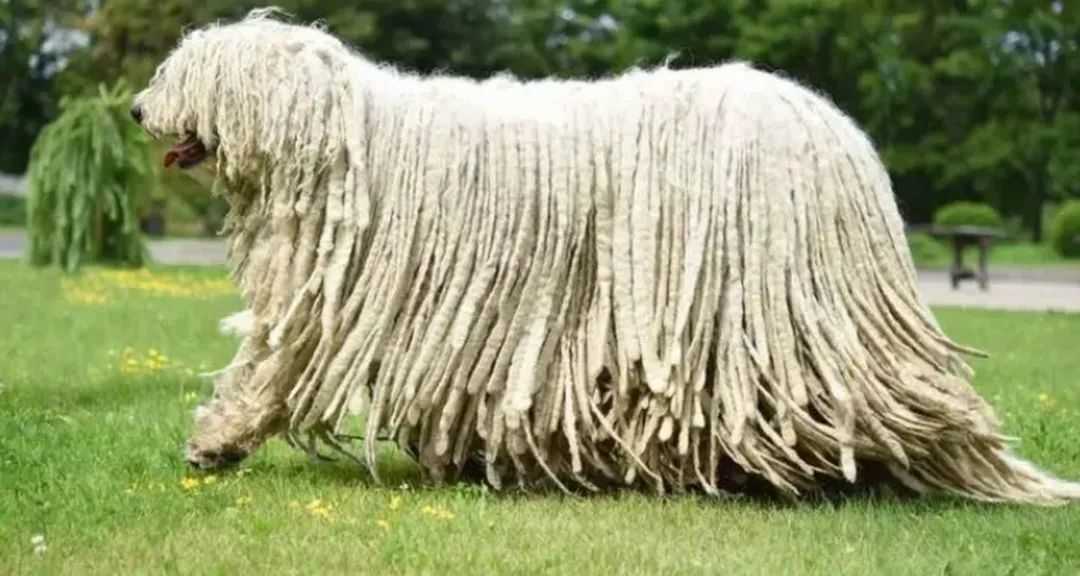
The Komondor: Hungary’s Majestic 'Mop Dog' with a Guarding LegacyThe Komondor: Hungary’s Majestic 'Mop Dog' with a Guarding Legacy
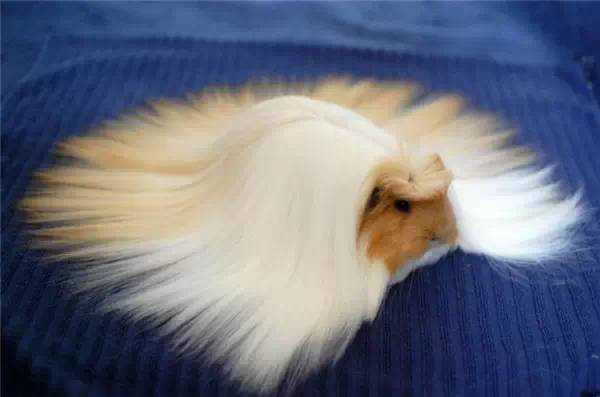
The Long-Haired Guinea Pig: A Fluffy Companion with a Rich Historical BackgroundThe Long-Haired Guinea Pig: A Fluffy Companion with a Rich Historical Background
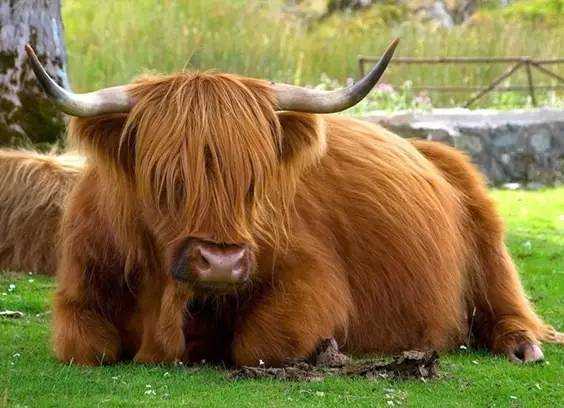
Miniature Highland Cattle: The Adorable 'Fluffy Cows' with Trendsetting BangsMiniature Highland Cattle: The Adorable 'Fluffy Cows' with Trendsetting BangsNative to the Scottish Highlands, miniature Highland cattle have skyrocketed to fame for their shaggy, over-the-eye bangs and plush, reddish-brown coats, earning them nicknames like "fluffy cows" or "nature’s hipsters." These pint-sized bovines, bred from their larger Scottish ancestors, stand just 80–100 cm at the shoulder, blending rustic hardiness with undeniable cuteness.
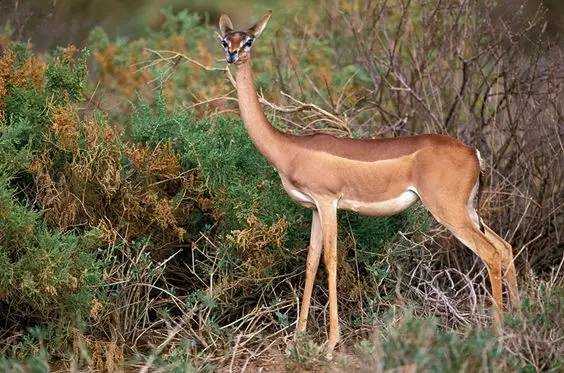
The Gerenuk: Africa’s Graceful 'Giraffe-Necked' AntelopeThe Gerenuk: Africa’s Graceful 'Giraffe-Necked' AntelopeNative to the arid savannas and thornbush plains of East Africa, the gerenuk (Litocranius walleri), often called the "giraffe-necked antelope," stands out with its elongated neck, slender legs, and unique feeding behavior. This medium-sized antelope, found in countries like Kenya, Somalia, and Ethiopia, has evolved extraordinary adaptations to thrive in its harsh, resource-scarce habitat.
The Malayan Tapir: Southeast Asia’s Elusive 'Living Fossil' with a Distinctive Black-and-White CoatThe Malayan Tapir: Southeast Asia’s Elusive 'Living Fossil' with a Distinctive Black-and-White CoatNative to the dense rainforests of Malaysia, Thailand, and Sumatra, the Malayan tapir (Tapirus indicus), also known as the Asian tapir, stands out as one of the region’s most unique and endangered mammals. Recognized by its striking black-and-white coloration and prehensile snout, this large herbivore is often called a "living fossil" due to its ancient lineage and primitive features.
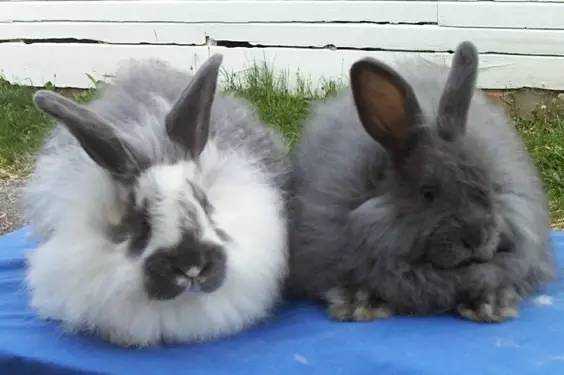
Adorable and Fluffy: The Angora RabbitAdorable and Fluffy: The Angora RabbitThe Angora rabbit is a well - known and beloved domestic rabbit variety. Originating from what is now Ankara, Turkey, it has a long history of being bred for its soft and luxurious wool. It became popular among French royalty in the 18th century and later spread across Europe and to the United States
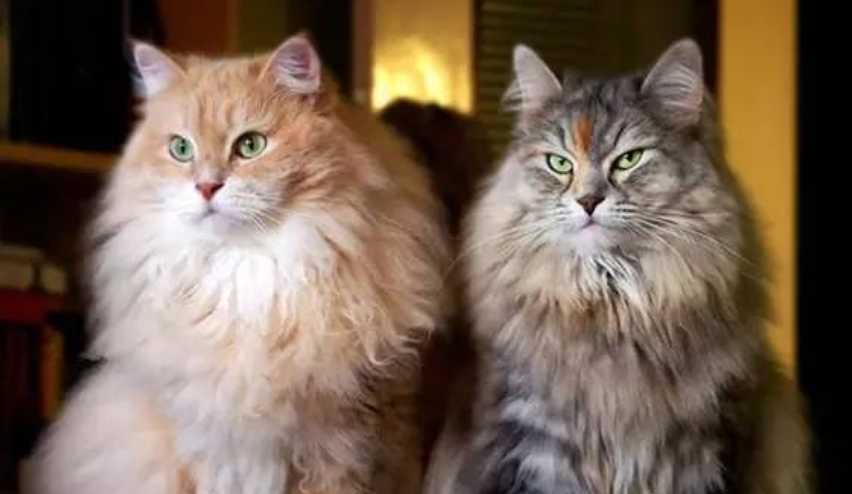
The Siberian Cat: Russia’s Majestic Forest Feline with a Royal HeritageThe Siberian Cat: Russia’s Majestic Forest Feline with a Royal HeritageNative to the harsh wilderness of Siberia, the Siberian cat has roamed Russia’s forests for centuries, evolving a thick, water - repellent coat and robust build to survive frigid climates. This ancient breed, often called the "national cat of Russia," blends wild resilience with a gentle demeanor, captivating cat lovers worldwide.
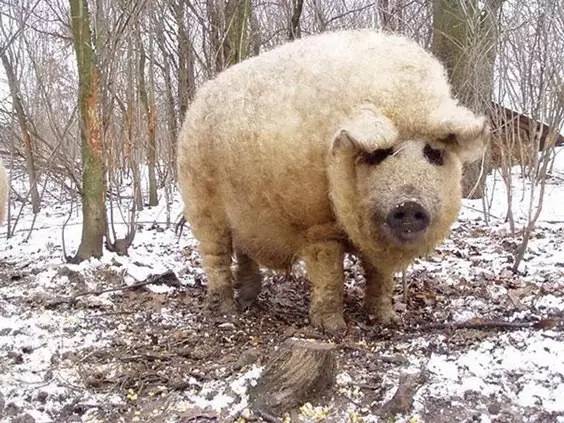
The Mangalica Pig: Hungary’s Woolly 'Sheep Pig' with a Royal PastThe Mangalica Pig: Hungary’s Woolly 'Sheep Pig' with a Royal PastNative to the plains of Hungary, the Mangalica pig stands out as one of the world’s most unique swine breeds, famed for its long, curly coat that resembles sheep’s wool. Often called the "sheep pig," this rare breed was once a staple of Austro - Hungarian aristocracy, prized for its rich lard and distinctive appearance.
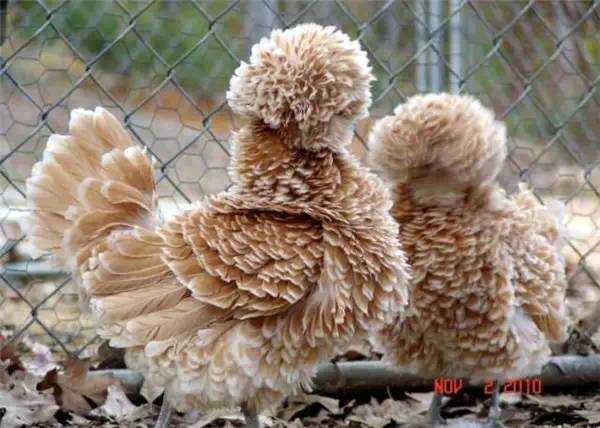
The Silkie Chicken: A Regal Ornamental Fowl with Luxurious PlumageThe Silkie Chicken: A Regal Ornamental Fowl with Luxurious PlumageNative to China and Southeast Asia, the Silkie chicken, often called the "贵妇鸡" (noble chicken) in Chinese, has captivated poultry enthusiasts for centuries with its distinctive appearance: fluffy, silk - like feathers, a black - skinned body, and a regal demeanor. This ancient breed, prized for its ornamental value and gentle temperament, stands out as one of the most unique domestic fowls worldwide.
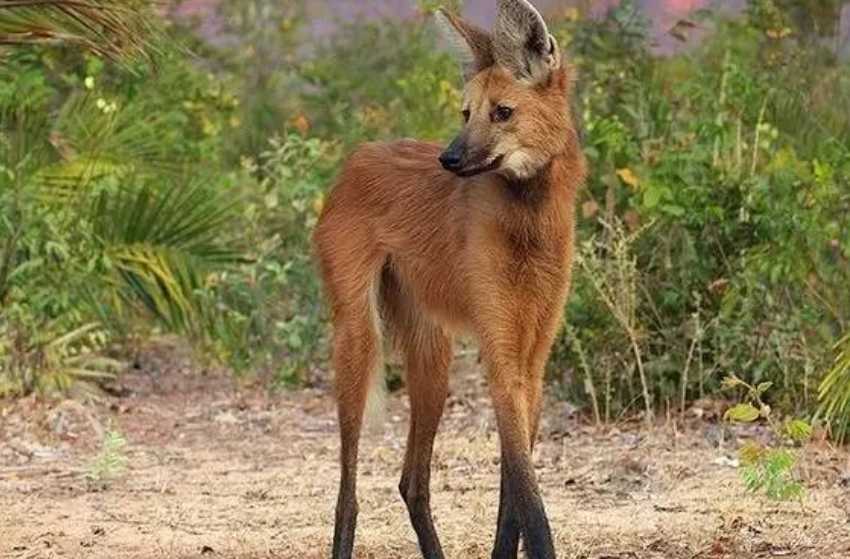
The Maned Wolf: South America’s Elegant 'Fox on Stilts' with a Mysterious LifestyleThe Maned Wolf: South America’s Elegant 'Fox on Stilts' with a Mysterious LifestyleNative to the grasslands and savannas of Brazil, Paraguay, and Argentina, the maned wolf (Chrysocyon brachyurus) stands out as one of South America’s most unique canids. Often described as a "fox on stilts," this tall, reddish canid with a distinctive black mane along its neck and back has captivated researchers with its enigmatic behavior and evolutionary isolation.
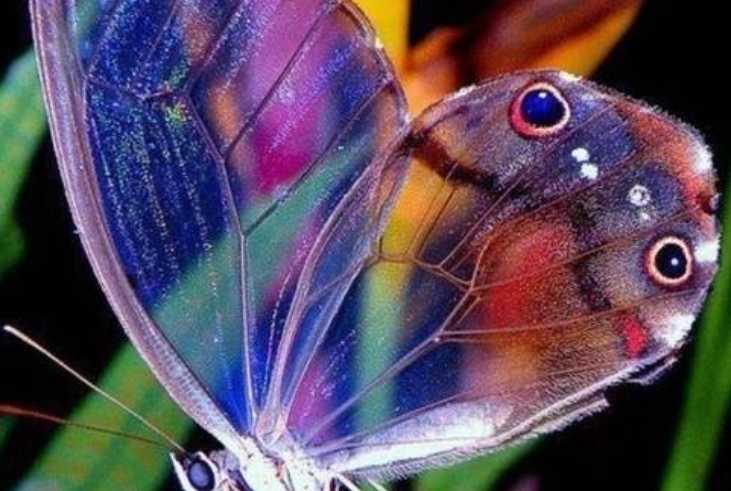
The Glasswing Butterfly: Nature’s Transparent Wonder with a Survival StrategyThe Glasswing Butterfly: Nature’s Transparent Wonder with a Survival StrategyNative to the tropical rainforests of Central and South America, the glasswing butterfly (Greta oto) has captivated scientists and nature enthusiasts with its most iconic feature—wings so transparent they appear nearly invisible in flight. This remarkable adaptation allows it to vanish mid-air, making it a living example of nature’s evolutionary ingenuity.
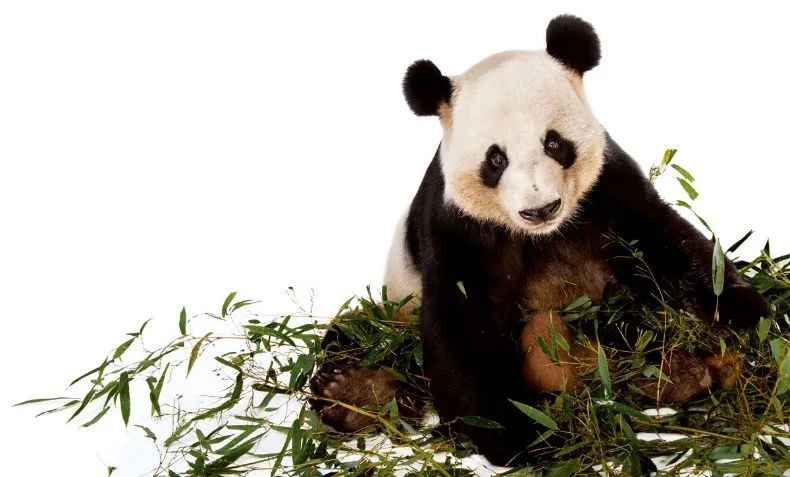
Vulnerable Giant Pandas: China’s Conservation Success and Ongoing ChallengesVulnerable Giant Pandas: China’s Conservation Success and Ongoing ChallengesChina’s iconic giant pandas (Ailuropoda melanoleuca), classified as "Vulnerable" on the IUCN Red List, have seen their wild population rebound to nearly 1,900 individuals through decades of conservation efforts, according to the latest data from China’s National Forestry and Grassland Administration. This marks a significant recovery from the 1980s, when fewer than 1,100 pandas roamed the wild. Despite this progress, habitat fragmentation, climate change, and bamboo die-offs continue to threaten their long-term survival
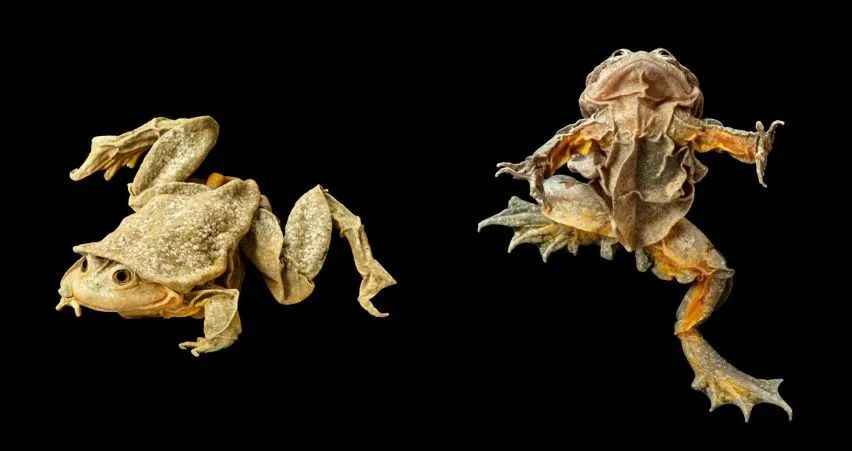
Andes' "Wrinkled Frog" Faces Extinction, Adapting to Thin Oxygen with Unique SkinAndes' "Wrinkled Frog" Faces Extinction, Adapting to Thin Oxygen with Unique SkinIn the high-altitude waters of the Andes, a remarkable amphibian clings to survival against daunting odds. The Titicaca water frog (Telmatobius culeus), listed as critically endangered by conservation authorities, has evolved a striking adaptation to thrive in one of the harshest aquatic environments on Earth.
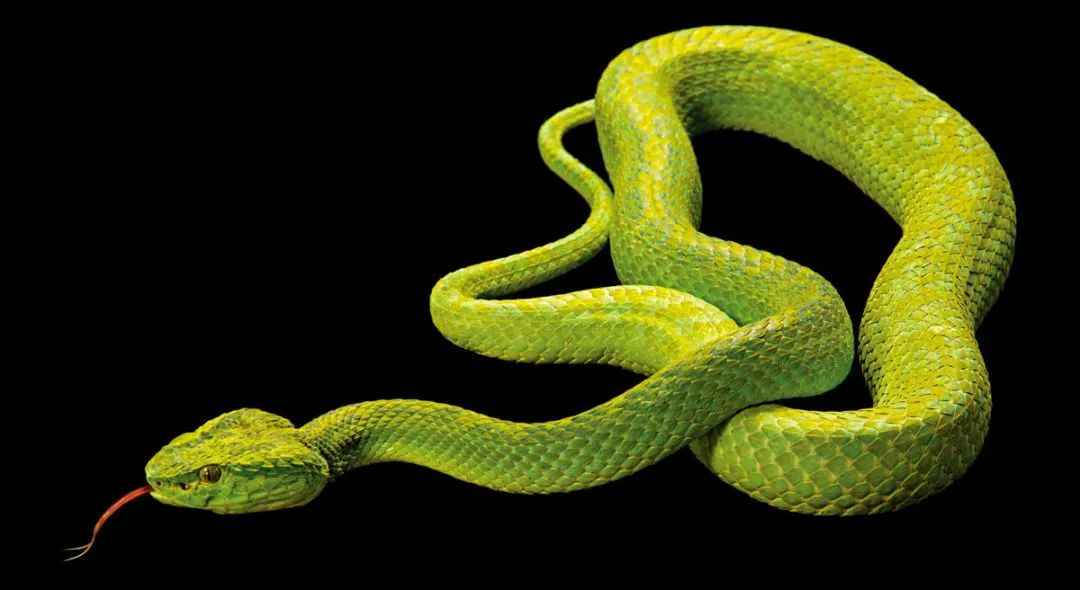
Honduran Palm Pit Viper Faces Extinction as Prey CollapsesHonduran Palm Pit Viper Faces Extinction as Prey CollapsesIn the lush, mist-shrouded forests of Honduras, a silent crisis is unfolding for one of the region’s most unique reptiles: the Honduran palm pit viper (Bothriechis marchi). Classified as endangered, this elusive serpent, known for its striking coloration and arboreal habits, is teetering on the brink of disappearance, its fate tightly intertwined with the catastrophic decline of its primary prey—amphibians.
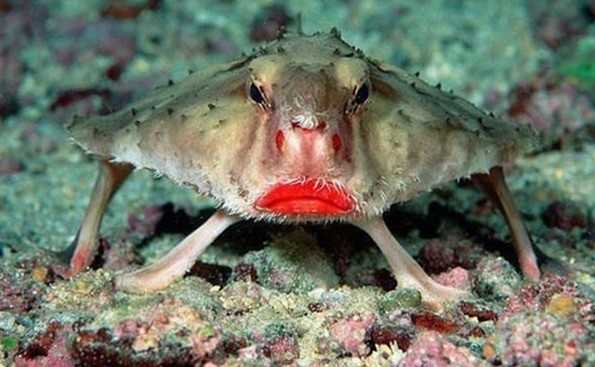
The Red-Lipped Batfish: Galápagos’ Quirky Underwater Celebrity with a Pouty Predatory StyleThe Red-Lipped Batfish: Galápagos’ Quirky Underwater Celebrity with a Pouty Predatory StyleNative to the coastal waters of the Galápagos Islands and Peru, the red-lipped batfish (Ogcocephalus darwini) has become an internet sensation for its most striking feature—bright red, pouty lips that contrast vividly with its grayish-brown body. This unusual fish, adapted for life on the ocean floor, trades swimming for "walking" using modified pectoral fins, making it a fascinating example of evolutionary specialization.
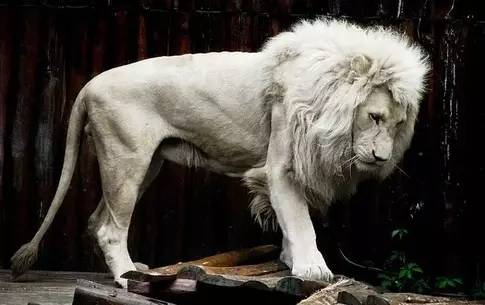
The Albino Lion: Rare Genetic Marvel and Cultural Icon of the SavannaThe Albino Lion: Rare Genetic Marvel and Cultural Icon of the SavannaAlbino lions, though often mistaken for white lions, are a distinct genetic rarity characterized by complete lack of melanin, resulting in pure white fur, pink skin, and pale blue or red eyes. Unlike white lions (which have a recessive color gene), albinism in lions is caused by a mutation in the TYR gene, inhibiting tyrosinase production—a enzyme crucial for pigment formation. These majestic creatures have captivated humanity for centuries, blending scientific curiosity with cultural mystique.
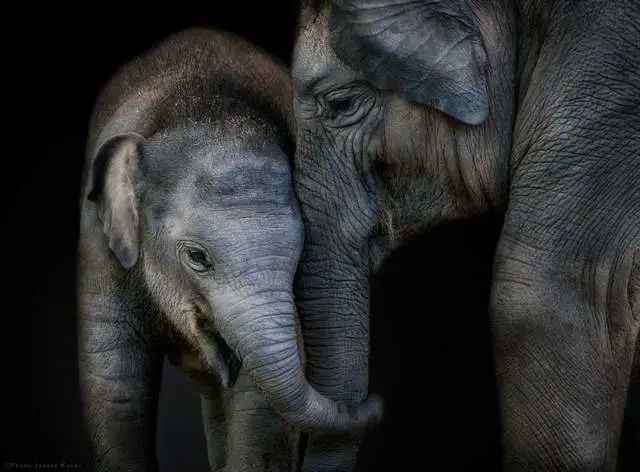
Asian Elephants vs. African Elephants: Key Differences, Hybridization Barriers, and Shared EndangermentAsian Elephants vs. African Elephants: Key Differences, Hybridization Barriers, and Shared EndangermentAsian elephants and African elephants, the two largest land mammals on Earth, exhibit numerous distinct differences and face significant genetic barriers to interbreeding.
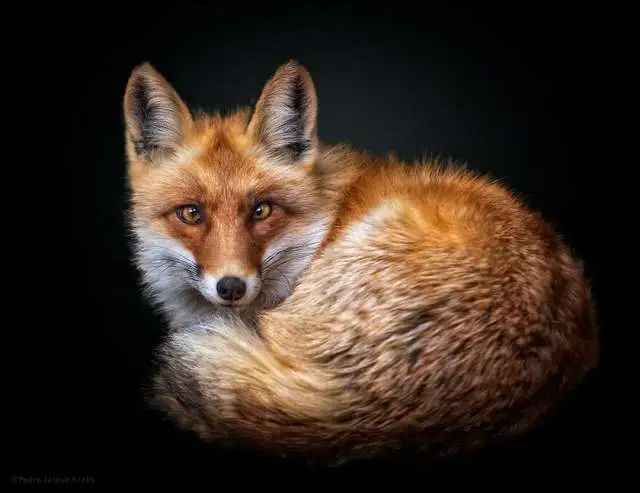
Red Fox: A Master of Adaptation in the WildRed Fox: A Master of Adaptation in the WildRed foxes, scientifically known as Vulpes vulpes, are among the most widespread and adaptable carnivores on Earth, thriving across diverse habitats from the frozen tundras of the Arctic to the bustling outskirts of urban centers. Their iconic rusty-red coat, white underbelly, and bushy tail—often tipped with white—make them easily distinguishable, while their pointed ears and sharp snouts reflect their keen senses, critical for survival.