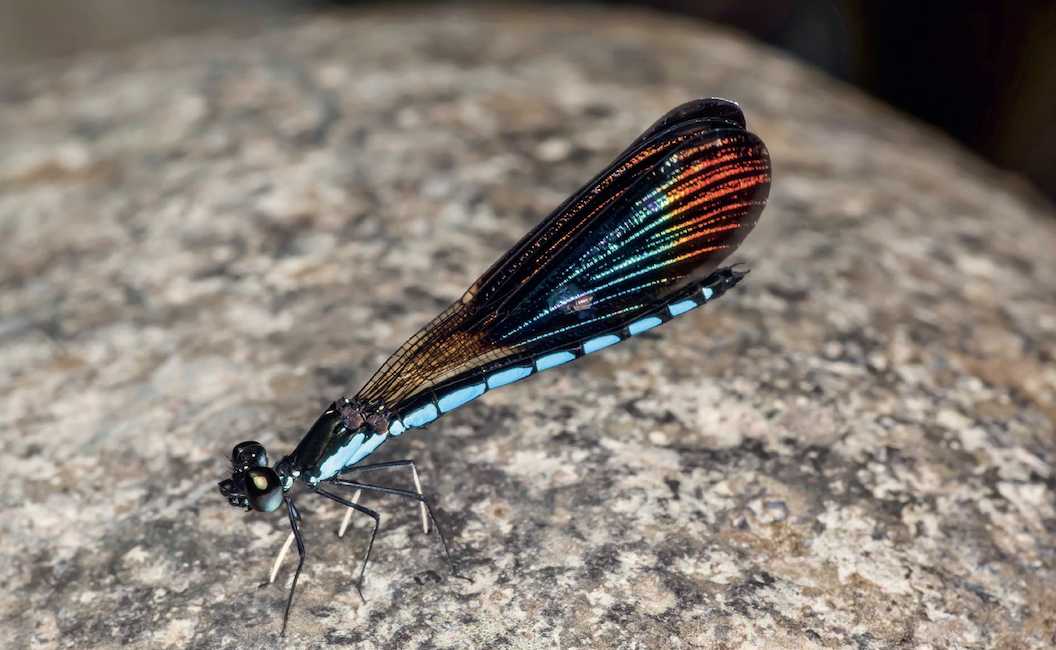
Metallic-Winged Rhinocypha sp. from Indonesian Streams Dazzles with Optical MagicMetallic-Winged Rhinocypha sp. from Indonesian Streams Dazzles with Optical Magic
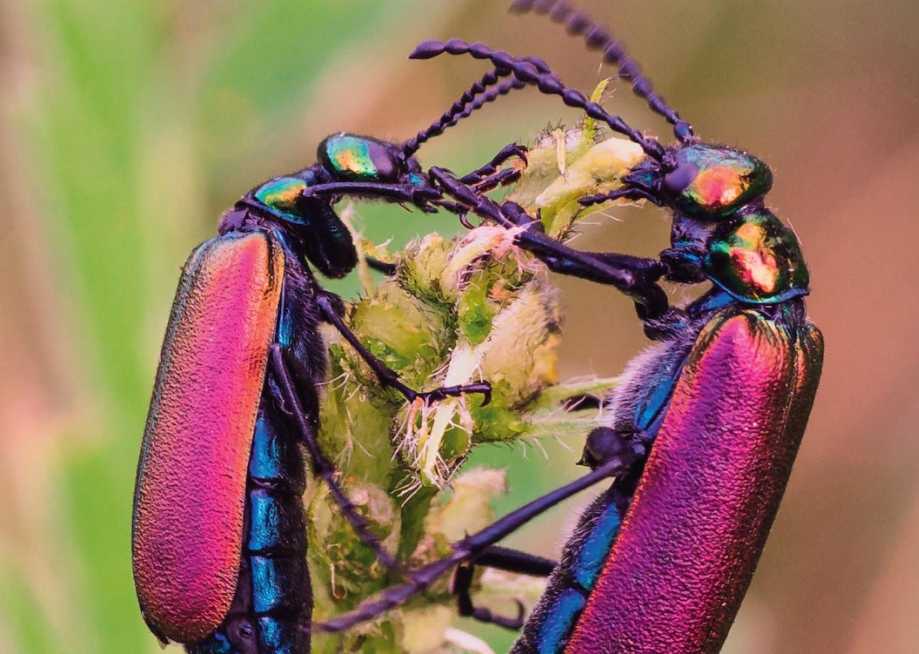
Lytta nuttalli: North America's Most Dazzling Beetle Harbors a Toxic SecretLytta nuttalli: North America's Most Dazzling Beetle Harbors a Toxic Secret
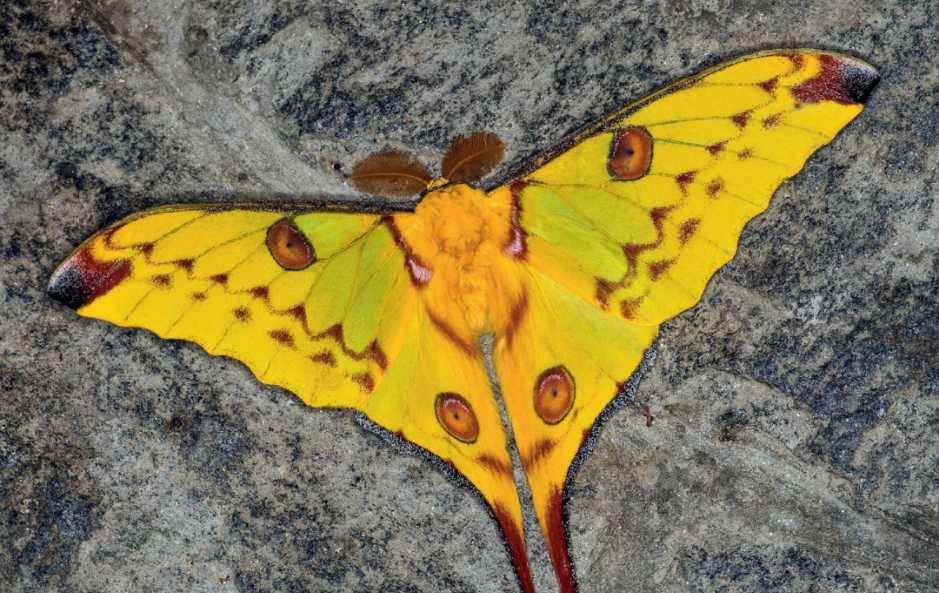
Argema mittrei: Madagascar's Majestic Comet Moth with Dazzling Tail TrailsArgema mittrei: Madagascar's Majestic Comet Moth with Dazzling Tail Trails
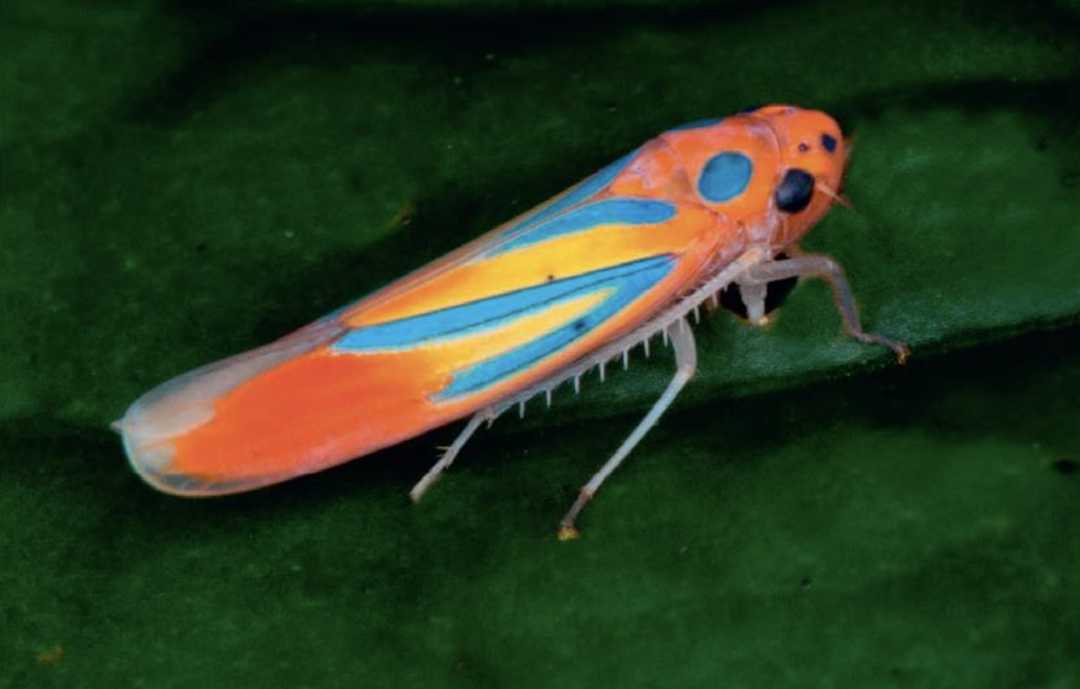
Madagascar's Vibrant Leafhopper: A Living Canvas of Blue, Yellow, and OrangeMadagascar's Vibrant Leafhopper: A Living Canvas of Blue, Yellow, and Orange
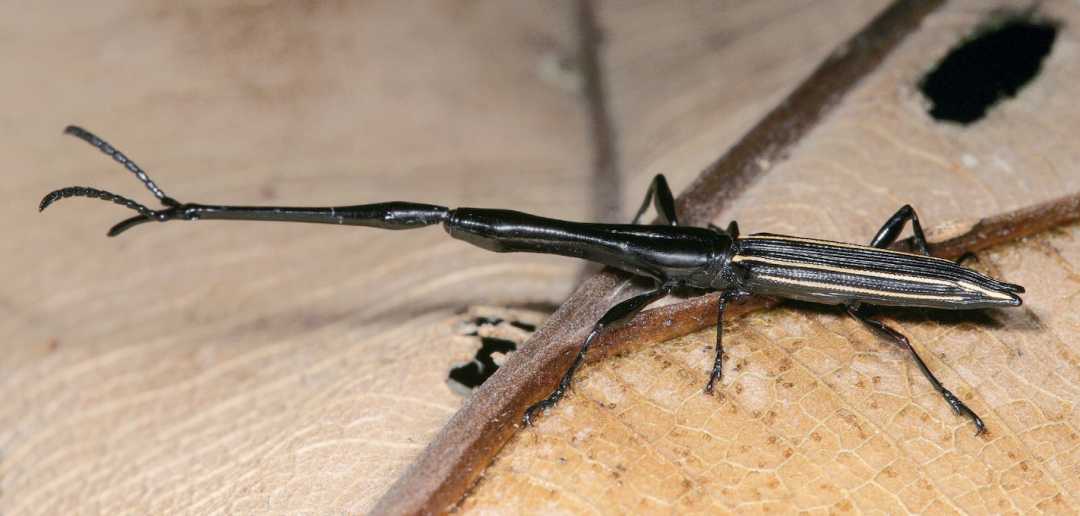
Costa Rica's Slender Weevil: The Three-Cone Beetle with a Remarkable Elongated SnoutCosta Rica's Slender Weevil: The Three-Cone Beetle with a Remarkable Elongated SnoutIn the lush rainforests of Costa Rica, the three-cone weevil (a member of the Brentidae family) stands out with its strikingly slender form, measuring 25 mm in length. Yet its most defining feature is an elongated rostrum— or "snout"—that can grow as long as its body, giving the insect a unique, almost surreal appearance. This remarkable appendage, thin and tapered, sets it apart in the diverse world of beetles.
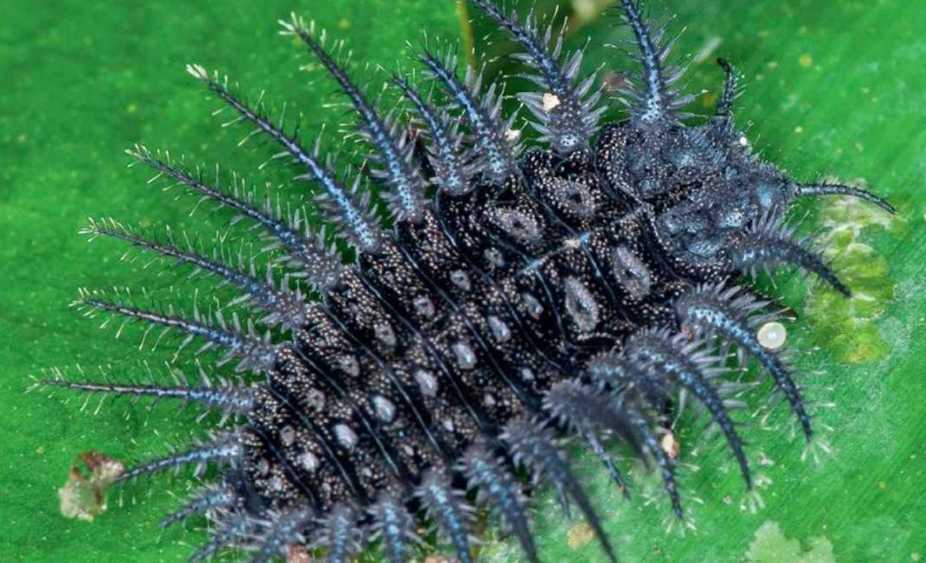
Spiky Larva of the False Ladybug Family Feeds on Fungi in Madagascar's RainforestsSpiky Larva of the False Ladybug Family Feeds on Fungi in Madagascar's RainforestsIn the lush rainforests of Madagascar, a larva covered in stiff, protruding spines catches the eye. Belonging to the false ladybug family (Endomychidae), this intriguing insect sports an armor of sharp projections, a striking adaptation that sets it apart in the tropical undergrowth. Far from its adult form’s resemblance to ladybugs, the larva’s spiky exterior serves both as protection and a unique identifier in the fungal-rich ecosystem.
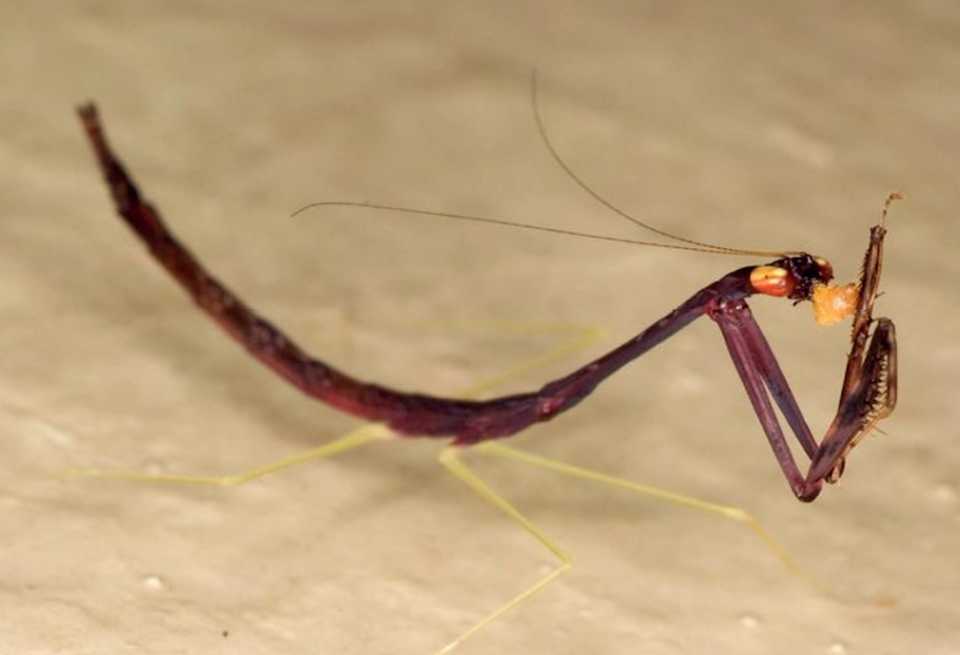
The Slender Stick Mantis of Borneo: A Peculiar Predator in the Mantid WorldThe Slender Stick Mantis of Borneo: A Peculiar Predator in the Mantid WorldFrom the rainforests of Borneo (Kalimantan Island) emerges a mantis so 纤细 (slender) it resembles a twig, standing as one of the most extraordinary members of the mantid order. With a body as thin as a bamboo shoot, this mantis has evolved an extreme morphology—its elongated legs and narrow thorax allowing it to blend seamlessly with vegetation, but also imposing strict limitations on its hunting strategy.
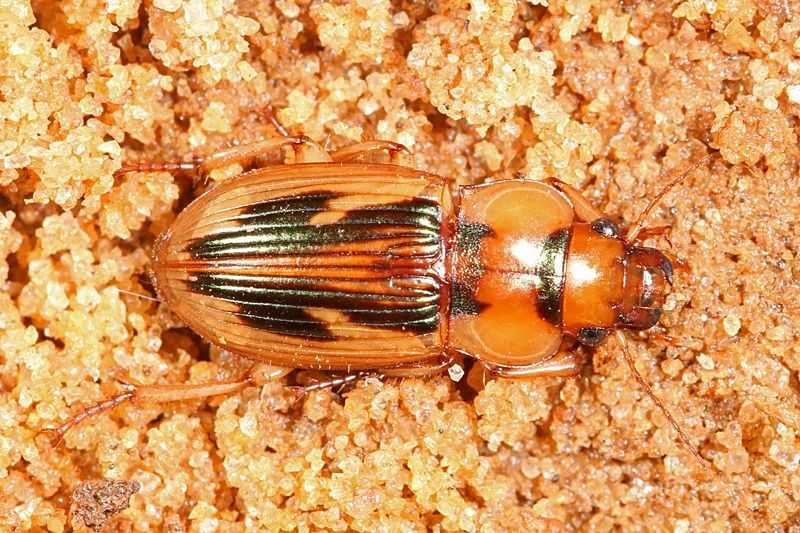
Tiger Beetles (Cicindelidae): Nature's Speed Demons and Fierce PredatorsTiger Beetles (Cicindelidae): Nature's Speed Demons and Fierce PredatorsTiger beetles, members of the family Cicindelidae, are renowned for their dazzling iridescence, aggressive predatory behavior, and unmatched speed—making them some of the most captivating insects in the animal kingdom. These beetles combine stunning aesthetics with remarkable adaptations, thriving in diverse habitats from sandy beaches to forest floors.
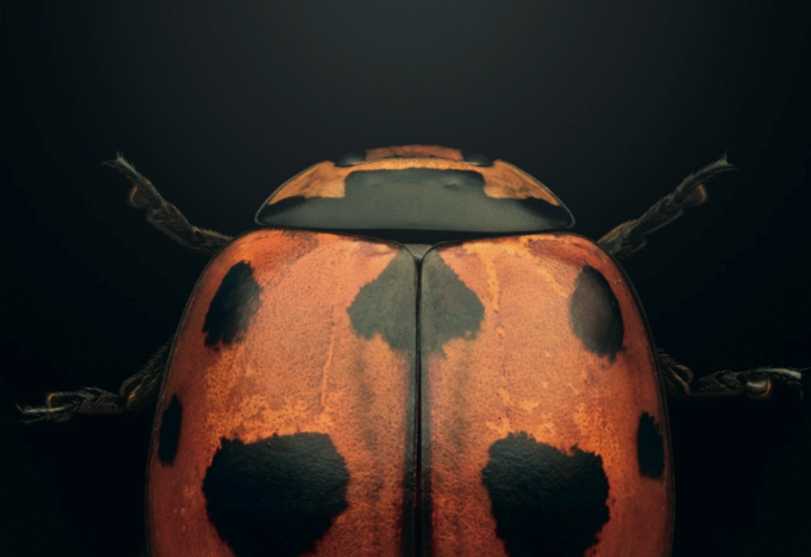
The Mysterious Disappearance of the Nine-Spotted LadybugThe Mysterious Disappearance of the Nine-Spotted LadybugThe nine-spotted ladybug, Coccinella novemnotata, once held a place of prominence across North America. In the United States, it was even designated as the official insect of New York State, symbolizing its significance. This species was once widespread throughout the US and Canada, playing a crucial role in the agricultural ecosystem. Famously, it was a voracious predator of aphids and other pest insects, acting as a natural form of pest control and helping farmers safeguard their crops without the heavy use of pesticides.
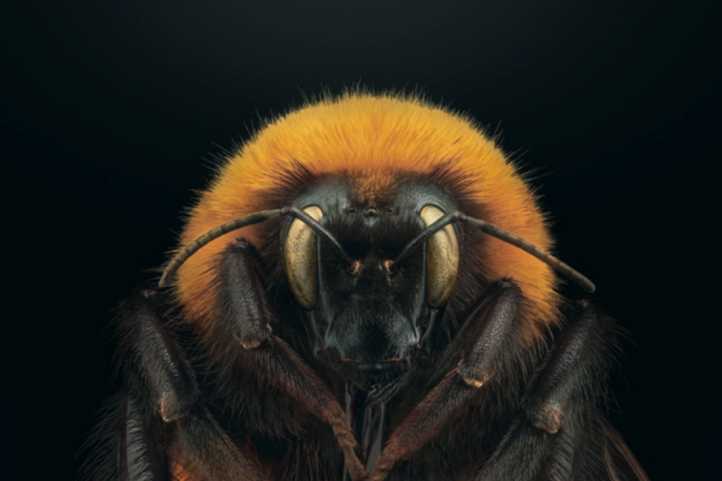
The Giant Bumblebee: Bombus dahlbomiiThe Giant Bumblebee: Bombus dahlbomiiBombus dahlbomii, often referred to as the "flying mouse", is one of the largest bumblebees in the world. It is the only native bumblebee species in southern South America, occupying a unique ecological niche.
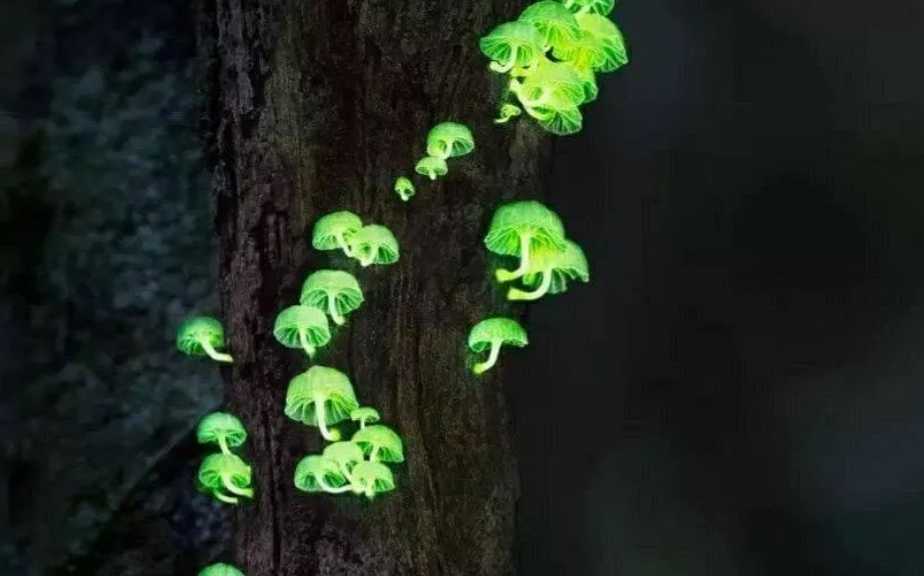
Mushrooms That Glow at Night: A Mysterious and Beautiful Natural PhenomenonMushrooms That Glow at Night: A Mysterious and Beautiful Natural PhenomenonIn the mysterious world of fungi, there exists a group of mushrooms with a unique ability - they can glow in the dark, creating a captivating and otherworldly scene.
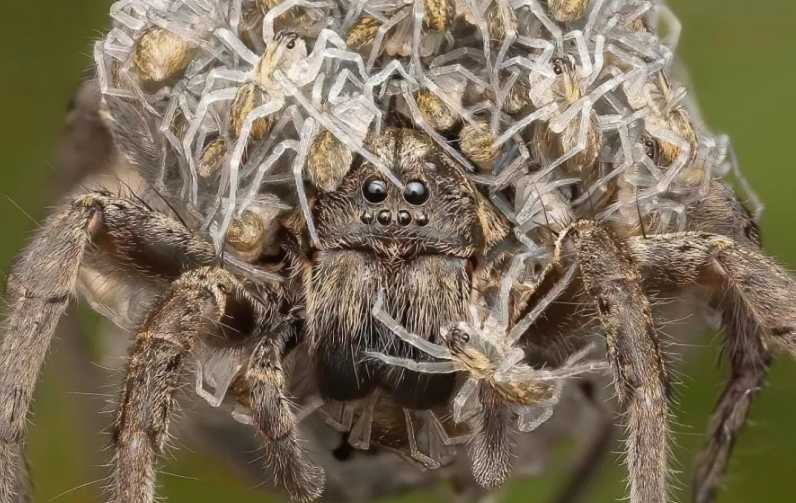
Wolf Spiders and Their Young: Nature’s Dedicated MothersWolf Spiders and Their Young: Nature’s Dedicated MothersWolf spiders (Lycosidae) embody maternal dedication in the arachnid world, carrying their offspring with them in a manner that underscores the sacrifices of parenthood in the wild. Females of these ground-dwelling spiders spin silk egg sacs containing hundreds of eggs, which they attach to their spinnerets, literally towing the sac behind them as they hunt and move. This behavior ensures the eggs remain protected and oxygenated, a critical investment in their survival.
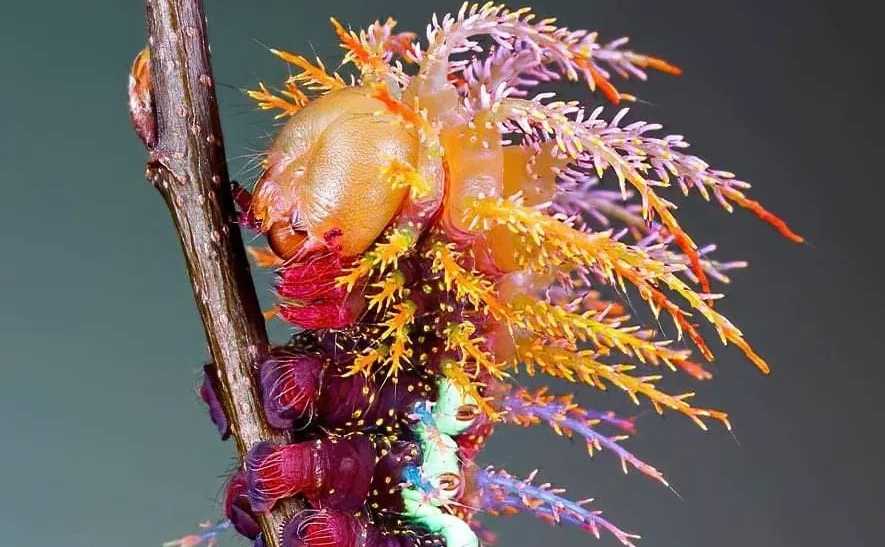
Vibrant Purple Caterpillar Sparks Wonder: What Will Its Butterfly Form Look Like?Vibrant Purple Caterpillar Sparks Wonder: What Will Its Butterfly Form Look Like?A striking purple caterpillar recently spotted in a Costa Rican rainforest has captivated entomologists and nature enthusiasts alike. The creature, with its vivid hue and unique texture, has sparked curiosity about the transformation it will undergo into an adult butterfly.
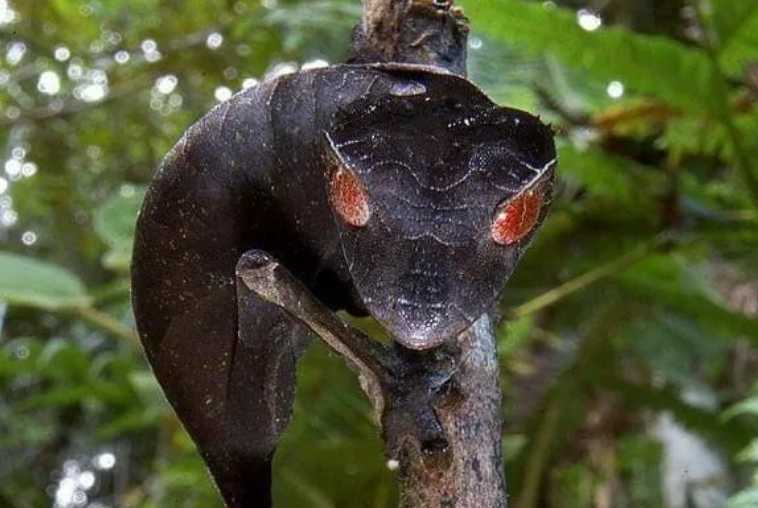
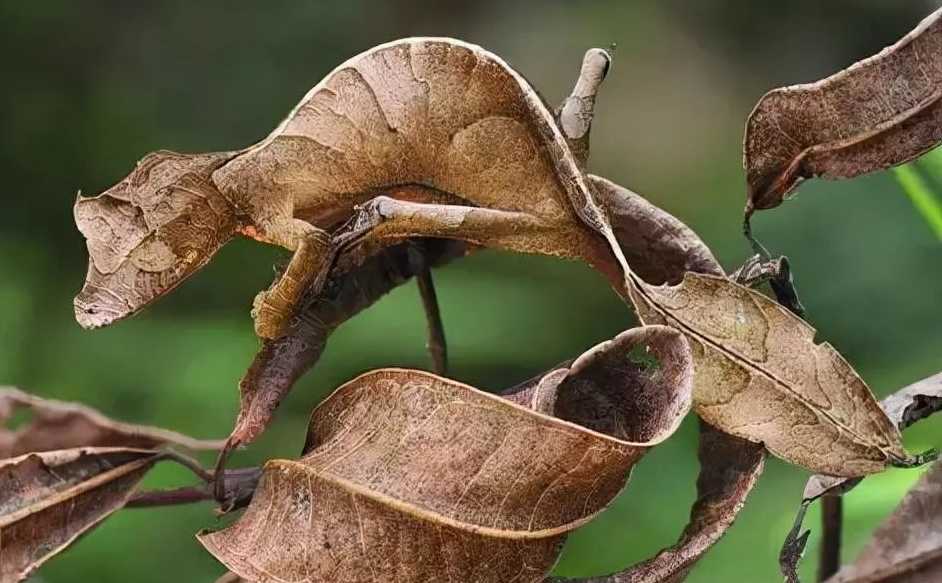
Satanic Leaf-Tailed Gecko: Nature's Master of Dead Leaf MimicrySatanic Leaf-Tailed Gecko: Nature's Master of Dead Leaf MimicryIn the dense rainforests of Madagascar, a remarkable reptile demonstrates nature’s most astonishing camouflage: the Satanic leaf-tailed gecko (Uroplatus phantasticus). Renowned for its uncanny resemblance to a dried, withered leaf, this gecko has evolved the perfect disguise to vanish into its forest habitat.
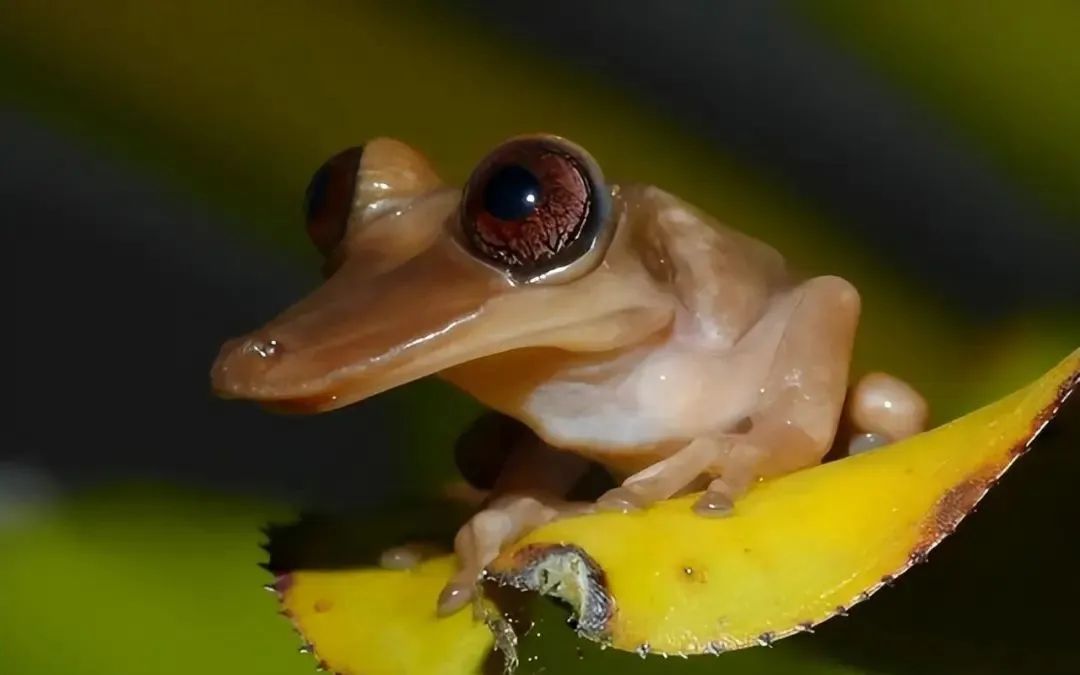
The Duck-Billed Tree Frog: Nature's Quirky Amphibian MarvelThe Duck-Billed Tree Frog: Nature's Quirky Amphibian MarvelDeep in the rainforests of Central and South America, a peculiar amphibian with a bill-like snout has captivated herpetologists: the duck-billed tree frog (Hyla labialis). This arboreal species, named for its flattened, downward-curving snout that resembles a duck’s bill, showcases nature’s whimsical approach to adaptation, blending functionality with an unforgettable appearance.
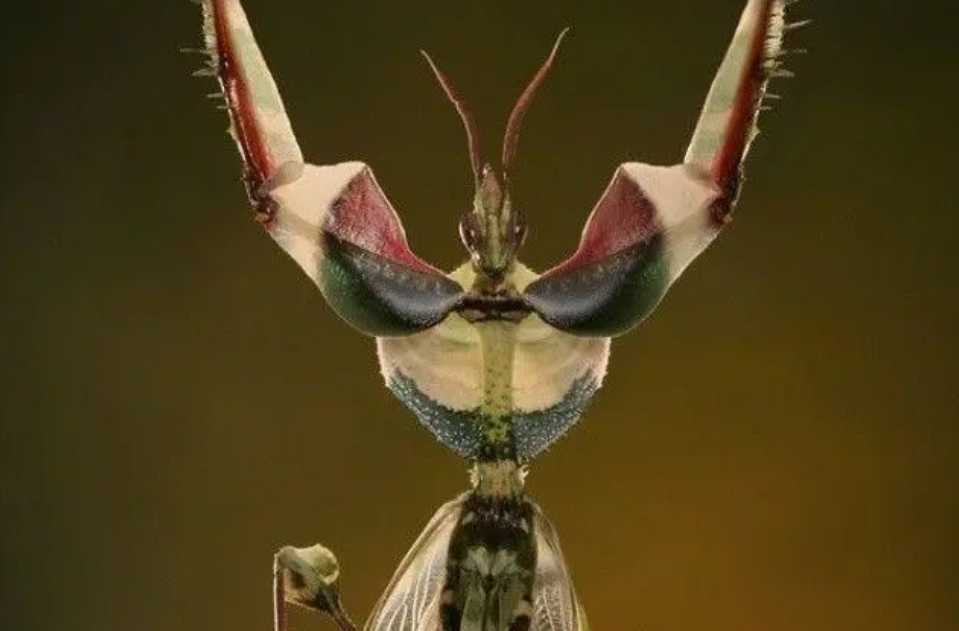
The Magic Flower Mantis: A Master of Floral CamouflageThe Magic Flower Mantis: A Master of Floral CamouflageIn the tropical forests of Africa, the magic flower mantis (Idolomantis diabolica) performs nature’s most elegant illusion: mimicking vibrant flowers so perfectly that even keen eyes struggle to distinguish it from real blooms. This remarkable insect, also known as the devil’s flower mantis, showcases evolution’s pinnacle of camouflage, blurring the line between predator and petal.
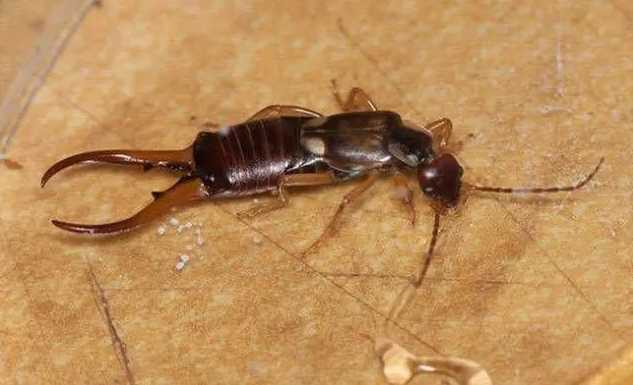
Earwigs: The Insects with a Pincher-Tipped SurpriseEarwigs: The Insects with a Pincher-Tipped SurpriseOften mistaken for other bugs, earwigs (order Dermaptera) stand out with a unique anatomical mix: a slender, rove beetle–like upper body that transitions to a pair of prominent forceps-like pincers at the abdomen’s tip. This distinctive design has fascinated and confused observers for centuries, blending subtlety with a bold defensive feature.
The Bizarre Hallucigenia: Once Earth’s Most Abundant AnimalThe Bizarre Hallucigenia: Once Earth’s Most Abundant AnimalThe Hallucigenia, an enigmatic creature from the Cambrian period, remains one of paleontology’s strangest mysteries. With a tubular body adorned by spines and paired appendages, this worm-like animal once thrived in ancient seas, dominating ecosystems as one of Earth’s most populous species—only to vanish millions of years ago, leaving behind fossil clues that perplex scientists.
The Satanic Leaf-Tailed Gecko: A Master of Camouflage Named for Its Dead-Leaf TailThe Satanic Leaf-Tailed Gecko: A Master of Camouflage Named for Its Dead-Leaf TailNative to the rainforests of Madagascar, the Satanic leaf-tailed gecko (Uroplatus phantasticus) earns its dramatic name from a tail that perfectly mimics a decaying leaf—ripped edges, veins, and even brownish "spots" that blend seamlessly with forest litter. This nocturnal reptile, one of the most iconic examples of evolutionary camouflage, has captivated herpetologists and nature enthusiasts with its otherworldly appearance and cryptic lifestyle.
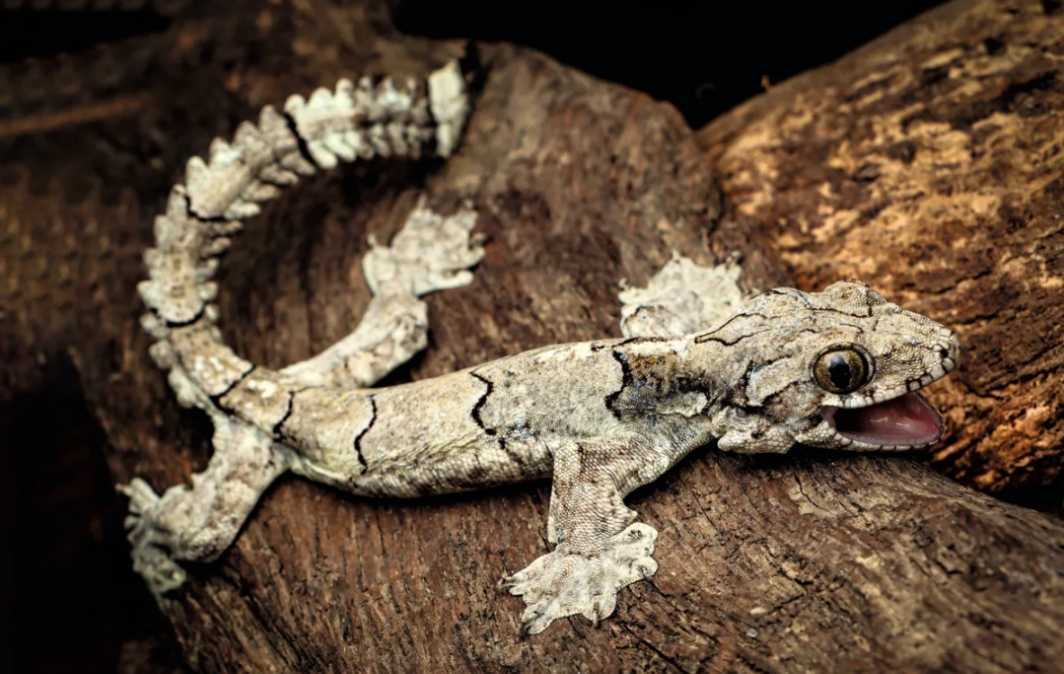
The Galamaso Gecko: Nature’s Elusive Tree-Dweller with Spectacular Dermal FlapsThe Galamaso Gecko: Nature’s Elusive Tree-Dweller with Spectacular Dermal FlapsThe Galamaso gecko, a nocturnal arboreal lizard, captivates herpetologists with its most distinctive feature: large dermal flaps encircling the head, trunk, limbs, and tail. Native to the dense rainforests of Southeast Asia, this elusive reptile has evolved remarkable adaptations to thrive in its canopy habitat, using its fringed appendages for both camouflage and survival in the forest’s vertical world.